
Why Is an Event Registration System Now a Must?
Events have grown considerably in recent years. Conferences, summits, brand events, corporate meetings and workshops now bring together hundreds or even thousands of attendees. Managing events at this scale with manual methods is both difficult and error-prone.
In the past, many event organizers handled attendee registrations via email, Excel lists or simple forms. But these methods can cause serious operational problems, especially at large events. Keeping attendee lists up to date, controlling entry and analyzing event data all become increasingly complex.
That is why most organizers today choose an event registration system to digitize their processes.
How Does an Event Registration System Work?
A modern online event registration system lets organizers collect attendee registrations online and manage all attendee data from a single dashboard.
A typical event registration process usually works like this:
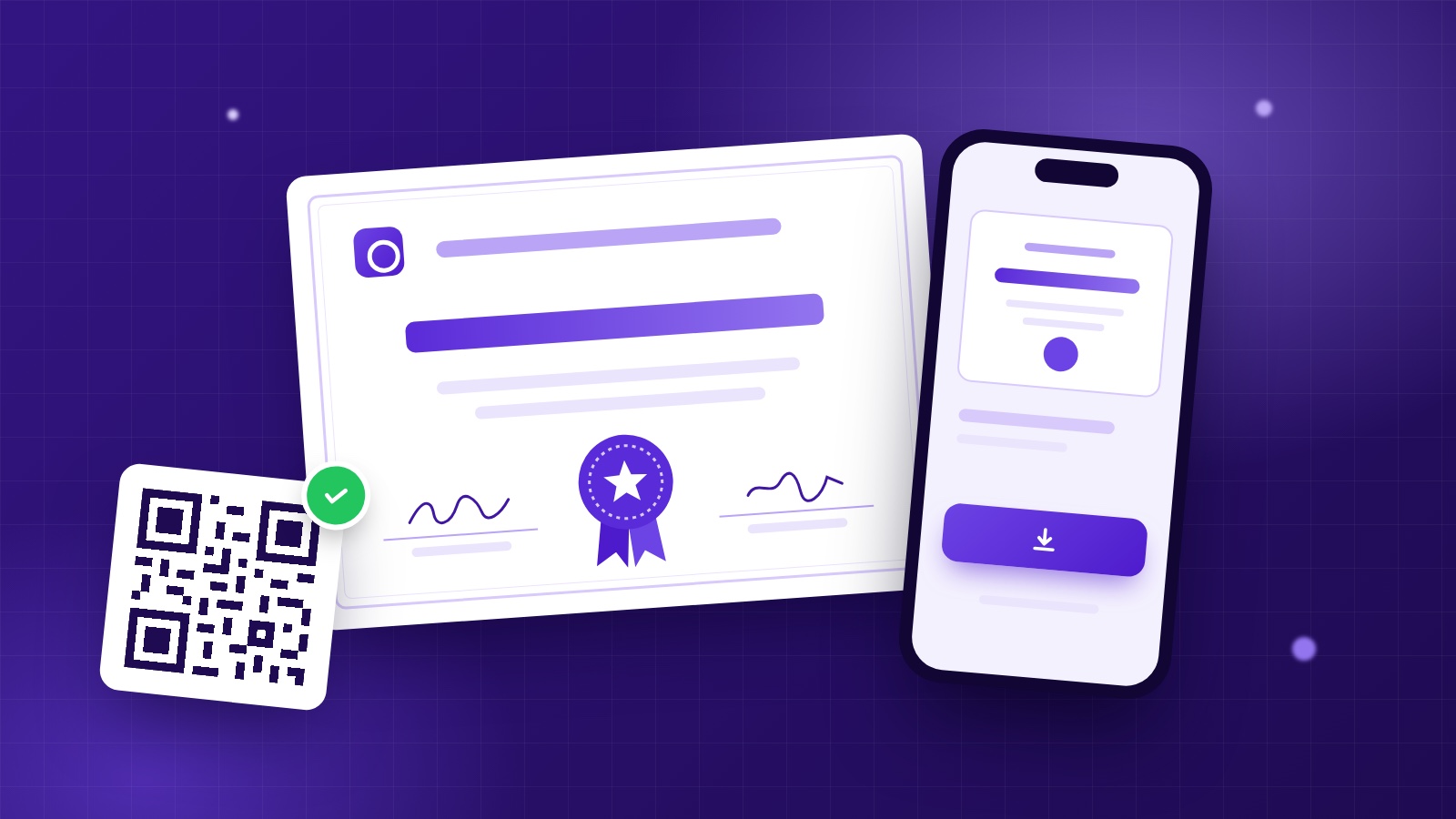
Attendees fill in the online registration form created for the event. The system automatically sends these registrations to the organizer's dashboard and creates a record for each attendee. The attendee usually receives a confirmation or a QR code by email. On event day, attendees check in quickly by showing their QR code.
This process reduces the organizer's operational workload and significantly improves the attendee experience.
Why Does Attendee Management Matter?
The success of an event depends heavily on the attendee experience. That is why organizers need to manage attendee data properly.
With an event attendee management system, organizers can filter attendee lists, analyze attendee data and measure the event's performance.
For example, organizers can easily see the answers to questions like:
- How many people registered for the event?
- Which industries do the attendees come from?
- Which sessions attracted the most interest?
This data provides valuable input for planning future events.
How Does QR Check-in Work at Events?
On event day, attendee entry is one of the busiest and most critical processes. Traditional entry checks waste time and can create long queues.
That is why many organizations now use a QR check-in system.
With an event QR check-in system, attendees can enter the event in seconds. When the attendee's QR code is scanned, the system checks them in automatically, and entry data can be tracked from the dashboard.
This lets organizers monitor entry traffic in real time and easily report the event's total attendance.
Hall- and Session-Based Event Management
Many conferences and summits are not a single program. Events usually consist of several halls and sessions, so organizers need to be able to plan the event program properly.
An advanced event management platform lets organizers create different halls and schedule separate sessions for each one.
This way:
- attendees can register for the sessions they are interested in
- organizers can analyze attendance data by session
- speaker and program management becomes easier
This is a major advantage, especially for conferences and summits.
How Do You Manage Different Attendee Types?
Many events have different types of attendees. For example, different access rules can be defined for speakers, sponsors, VIP guests and standard attendees.
Modern event platforms let organizers create different ticket or attendee types.
This lets organizers grant specific access rights to certain attendee groups. For example, some sessions can be restricted to certain attendee types only.
A structure like this keeps event operations more organized and under control.
Running Event Operations from One Platform
Modern events are not limited to collecting registrations. Attendee management, program planning, entry control and data analysis all have to be managed at the same time.
That is why organizers now prefer not just a ticketing tool but an event operations platform that can handle the entire process.
With these platforms, organizers can run the whole event operation from a single dashboard and keep improving their events by analyzing event data.
Conclusion
As events grow, operational processes become more complex. That is why managing attendee registrations, entry and event data with digital systems gives organizers a major advantage.
A modern event registration system provides a strong foundation not just for collecting registrations but for running the entire event operation more efficiently.